

Semiconductor back-end wire bonding process
In semiconductor back-end manufacturing, wire bonding connects the semiconductor die to the package leads using ultra-thin conductive wires. This step enables electrical signals and power to flow between the chip and the external system.
Wire bonding requires precise coordination between motion, positioning, sensing and force control. The bonding tool must move accurately from pad to lead, form repeatable wire loops and maintain stable bonding conditions across thousands or millions of connections.
Even small deviations in capillary position, motion stability or bond force can lead to weak interconnections, electrical failures or reduced long-term reliability.
That makes wire bonding not just a joining process, but a high-speed precision operation where servo motion control, accurate sensing and repeatable process feedback define final device performance.
What challenges define the wire bonding process?
Wire bonding combines high-speed machine movement with micron-level positioning accuracy. The bonding capillary must move repeatedly between die pads and package leads while maintaining precise wire placement and loop geometry.
As semiconductor packages become smaller and more complex, wire bonding systems must handle smaller pad sizes, finer pitch, higher pin counts and different wire materials such as gold, aluminium and copper. The existing Panasonic wire bonding page also highlights the need for accurate capillary positioning, wire feed monitoring, dispenser height control and stroke movement monitoring in bonding systems.
At the same time, high-speed bonding requires stable motion control. Panasonic’s servo use-case page describes how semiconductor equipment increasingly requires higher speed and higher precision control, including bonding equipment where high-response load control helps prevent mounting failures and damage to microchips.
Capillary motion and servo control
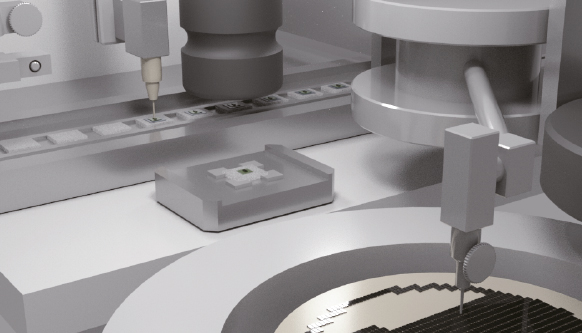
Achieving stable high-speed bond placement
The bonding capillary must move quickly and precisely while maintaining repeatable placement accuracy. Any vibration, overshoot or unstable motion can influence bond position and loop formation.
Panasonic Industry supports this with MINAS servo solutions, designed for high-speed and high-precision automation environments. In semiconductor equipment, Panasonic provides servo solutions where high-response control supports improved machine performance, including bonding equipment and chip transfer machines.
For wire bonding equipment, stable servo motion can support accurate capillary movement, repeatable stroke control and smoother high-speed operation. This helps equipment builders maintain consistent bond placement while increasing throughput.
What this adds to the process?
Stable capillary motion supports repeatable bond placement, reduces mechanical variation and enables more predictable bonding results at production speed.
Die and leadframe positioning
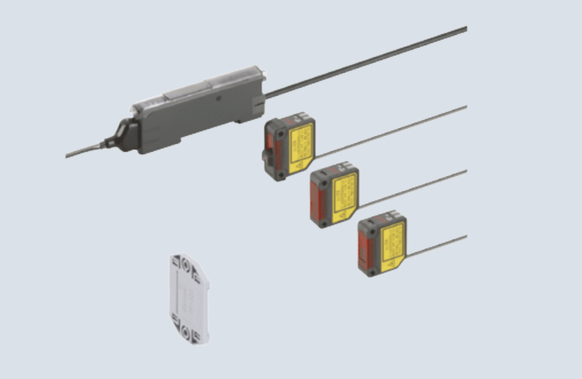
Ensuring accurate alignment for bonding
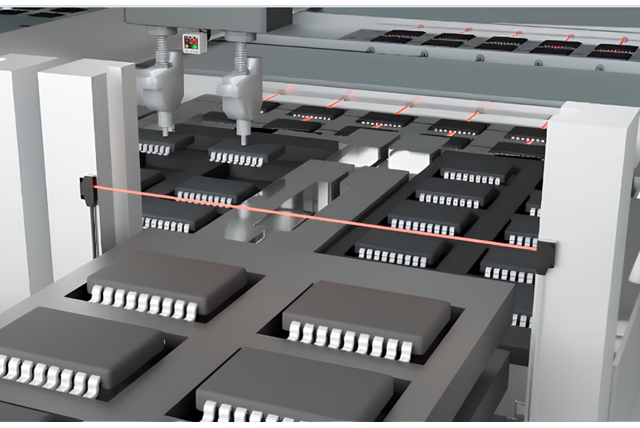
Before bonding begins, the die and leadframe must be aligned accurately. Misalignment can result in incorrect or weak connections.
Panasonic Industry supports this with:
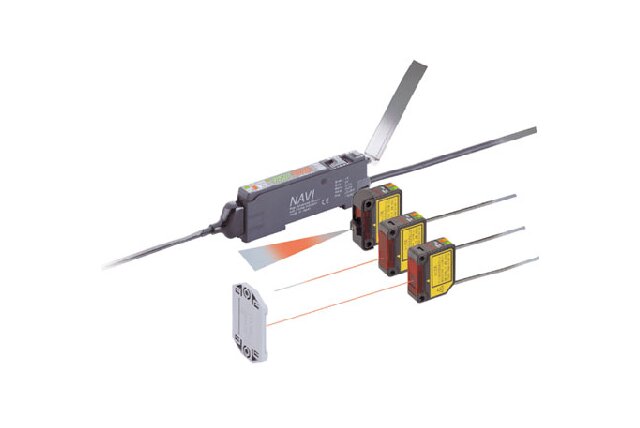
- laser sensors such as LS‑400 for accurate distance and position measurement
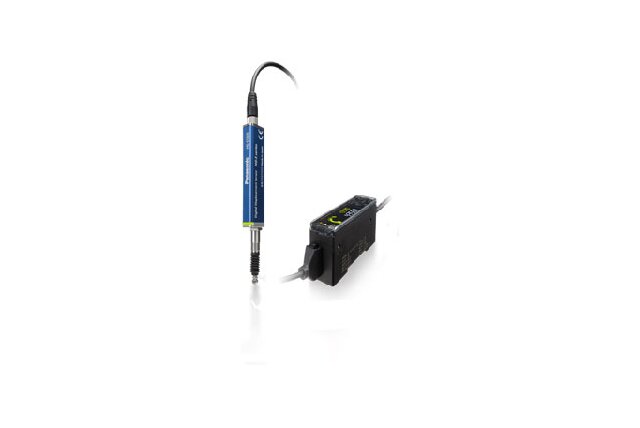
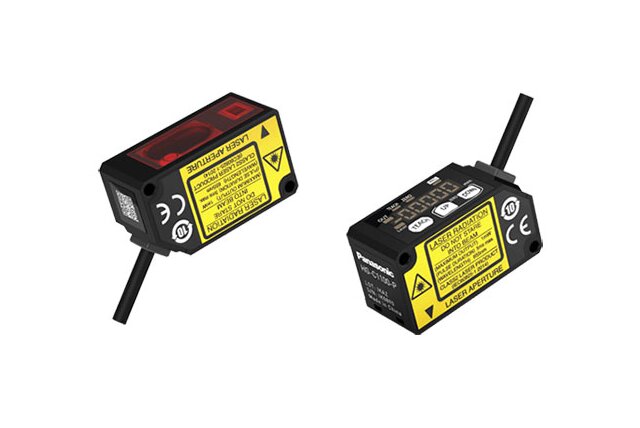
- HG‑C laser displacement sensors for stable object detection with micron-level repeatability
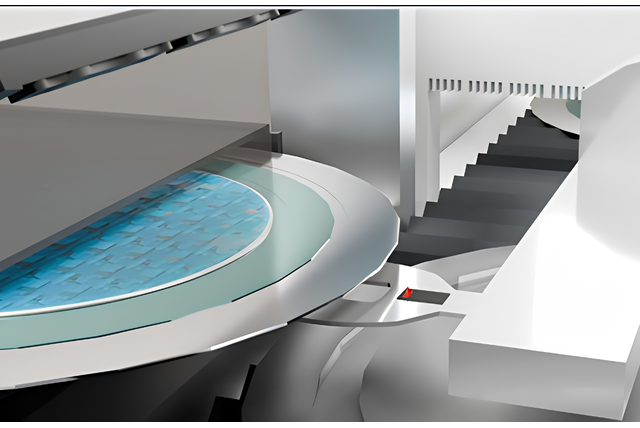
These sensors enable precise positioning of bonding components, ensuring that the bonding tool operates within defined tolerances.
Capillary positioning and motion control
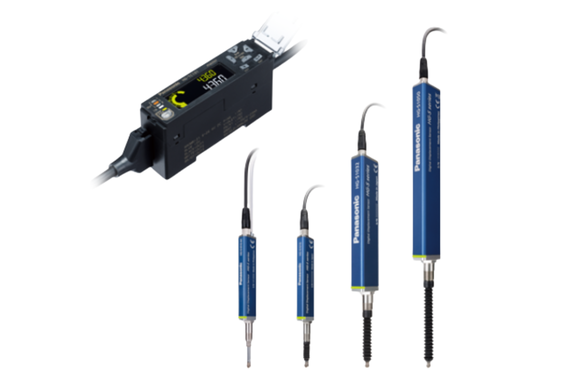
Achieving consistent bond placement
The bonding capillary must move with extreme accuracy to place each wire correctly. Even small deviations in motion can affect bond quality and loop formation.
Panasonic Industry provides:
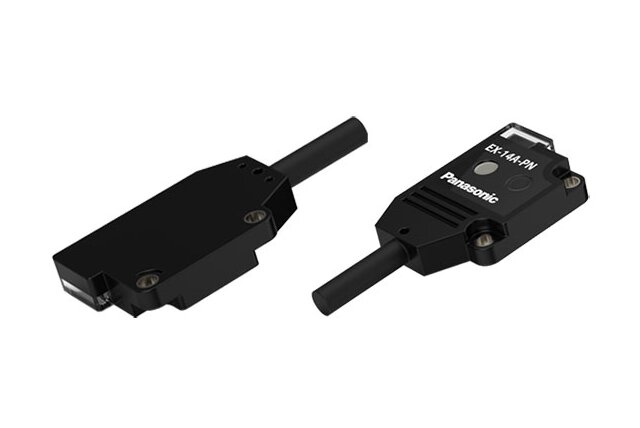
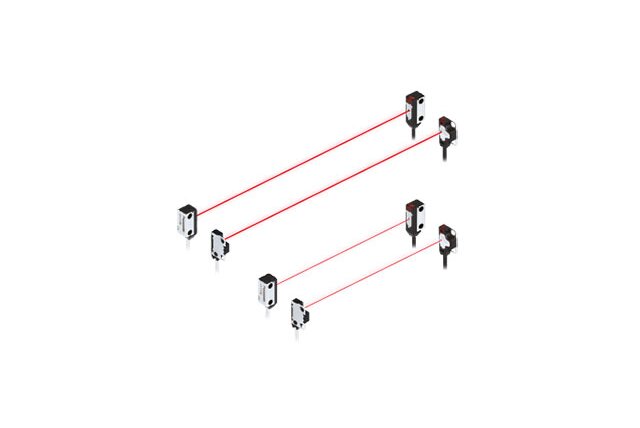
- photoelectric sensors (EX‑10 / EX‑Z series) for compact and precise position detection
- HG‑S tactile and HG‑C displacement sensors for monitoring positioning and movement
These solutions help ensure that each bond is placed consistently, supporting stable and repeatable interconnections.
Wire feed and loop control
Maintaining consistent interconnect geometry
Wire bonding requires precise control of wire feed and loop formation. The loop height and shape influence signal performance and mechanical stability.
Panasonic Industry supports this with:
- laser and displacement sensors (HG‑C / LS series) for monitoring movement and positioning
- sensing solutions that detect deviations in wire feed and loop formation
By maintaining consistent loop geometry, these technologies help ensure reliable electrical performance across devices.
Bond force and contact control
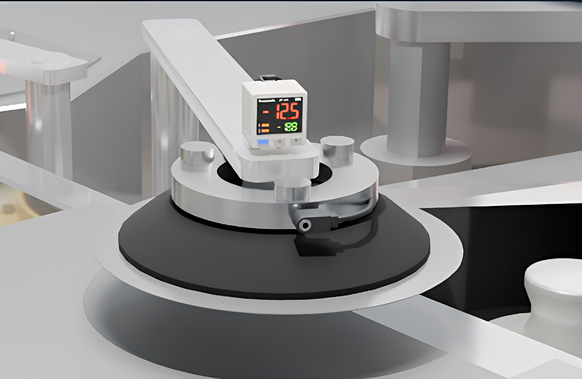
Ensuring reliable bond quality
Bond strength depends on controlled application of force and accurate contact between the wire and bonding pads.
Panasonic Industry supports bonding force and process control with:
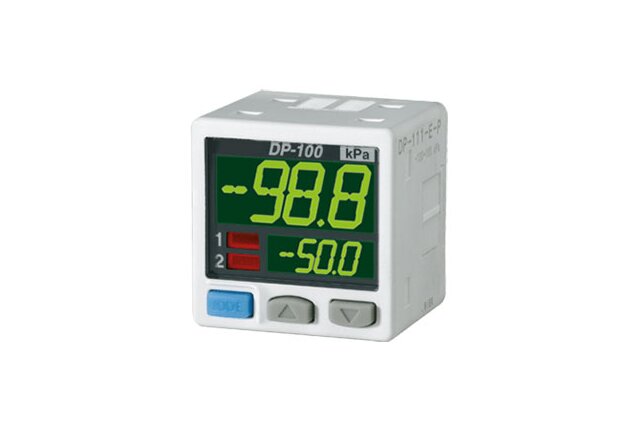
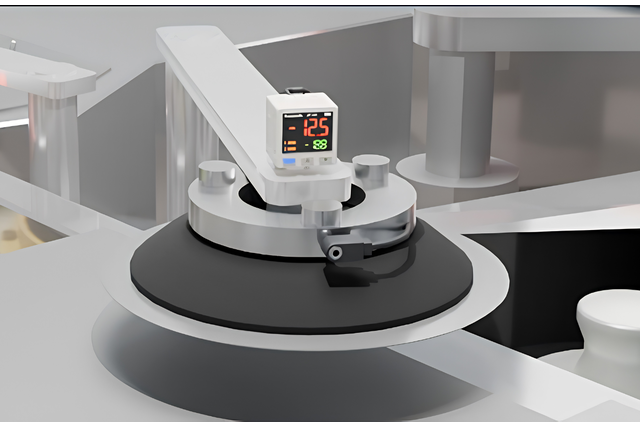
- DP‑100 pressure sensors, which provide high-resolution pressure monitoring.This sensor allows simultaneous monitoring of current values and thresholds, enabling stable control of pressure-dependent processes
Why wire bonding defines final device performance
Wire bonding directly determines the electrical connectivity of the semiconductor package. Even a single defective connection can lead to device failure.
Instabilities in this process can result in:
- open or weak connections
- signal degradation
- reliability issues over time
Because these connections are internal to the package, defects cannot be corrected after the process is completed.
This makes wire bonding a critical step in ensuring functional and reliable semiconductor devices.
FAQ – Wire Bonding
|
Why is wire bonding important in semiconductor manufacturing? |
Wire bonding creates the electrical connections between the semiconductor die and the package. It is essential for enabling signal and power transmission. |
|
What are the main challenges in wire bonding? |
Challenges include precise alignment, stable bonding force, consistent loop formation and handling different materials and geometries. |
|
How does positioning affect wire bonding quality? |
Incorrect positioning can lead to weak or failed connections. Accurate placement ensures reliable electrical performance. |
|
Why is loop control important in wire bonding? |
Loop geometry affects both electrical characteristics and mechanical stability. Consistent loops ensure reliable operation. |
|
How does process control improve bonding reliability? |
Monitoring parameters such as position, movement and pressure helps detect deviations early and maintain consistent bonding quality. |