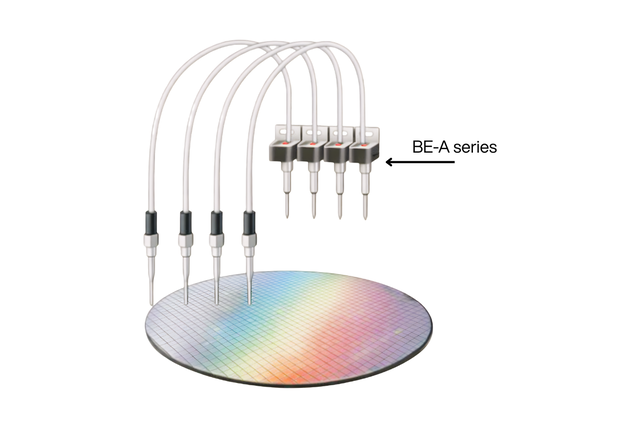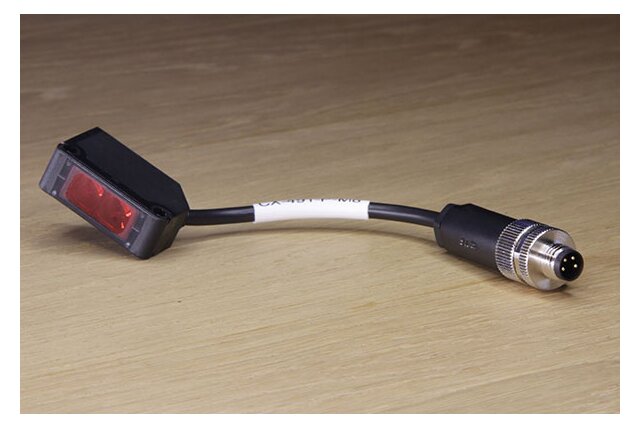
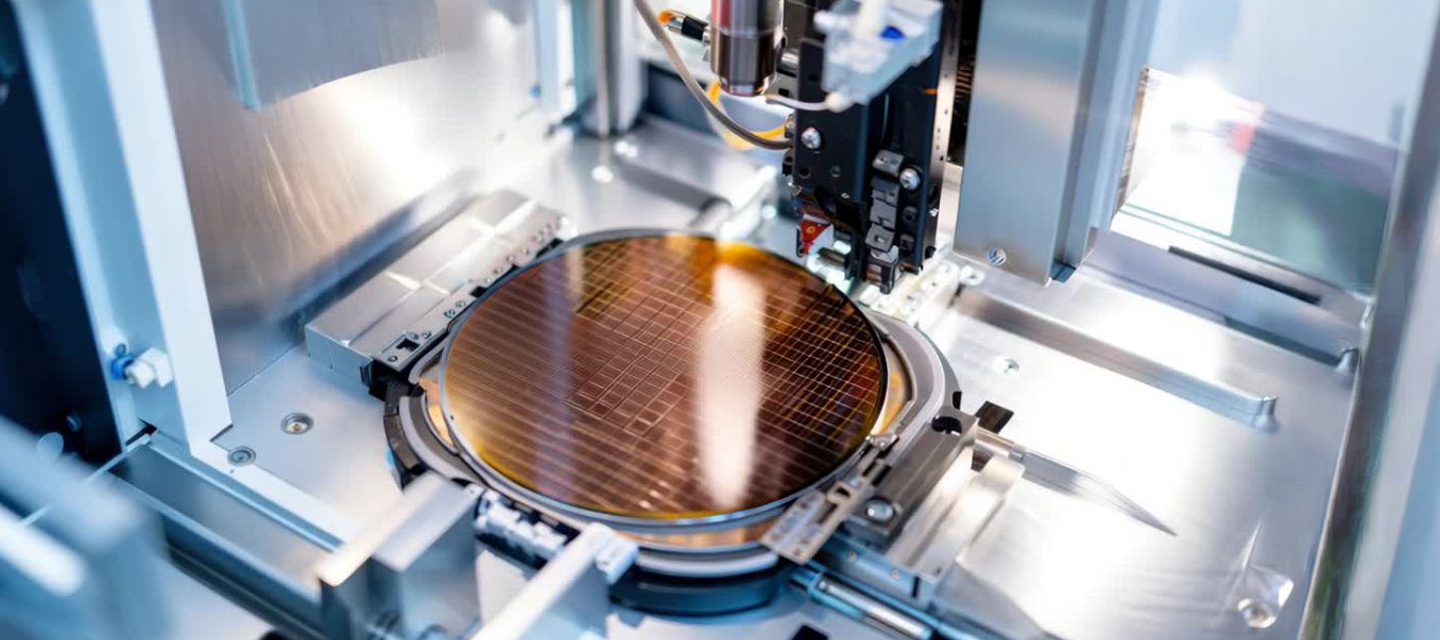
From prototype to global fab scale
Semiconductor equipment doesn’t scale like “normal” industrial machinery. A platform may be designed and validated in one region, qualified with end customers in another, and ramped into production somewhere else entirely. When that happens, the challenge is no longer only performance, it becomes global consistency: identical behavior, predictable supply, and repeatable support across continents.
This is where supply chain strategy becomes a technical success factor. In this Semicon Insight, we explain what changes when equipment moves from prototype to global fab scale, and what sourcing and program teams increasingly optimize for: long lifecycle availability, generation compatibility, early change visibility, and globally consistent execution.
What changes when you scale globally?
Prototype phase: engineering can adapt quickly
In early development, teams can still iterate. Engineering changes are manageable, and the platform is not yet locked into copy-exact rollout requirements.
Global fab scale: change becomes expensive
During HVM ramp-up and global rollout, even small deviations can trigger:
- re-qualification effort
- service complexity and spare-part divergence
- schedule risk when rollouts depend on predictable availability
- uncertainty for the end customer’s planning
That’s why equipment builders need suppliers who can “move with them” when manufacturing shifts regionally, while keeping quality, know-how, and delivery reliability aligned.
The semiconductor requirement: “Copy exactly” and true drop-in replacements
Global fabs increasingly expect systems to behave identically worldwide. That places strict requirements on:
- specification consistency over many years
- repeatable performance across sites
- true “drop-in replacement” behavior (replacement parts that fit and perform without engineering modifications)
For machine builders, this means a component strategy that prioritizes stability, not only initial specs.
The hidden bottleneck: knowledge transfer across continents
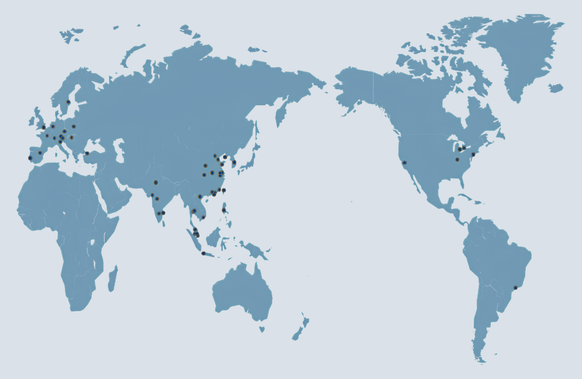
A global roadmap only works when application knowledge, requirements and lessons learned travel with the project.
In practice, scaling introduces “soft” failure modes:
- technical intent gets lost across time zones
- detailed requirements are misinterpreted
- local teams don’t have full context of what was designed elsewhere
This is why global execution increasingly depends on structured information sharing, not only great engineering.
What sourcing & program teams optimize for (and why)
When projects scale across regions, sourcing and program teams typically optimize for four things:
- Long product lifecycles aligned with equipment roadmaps
- Generation compatibility to avoid redesign and re‑qualification
- Early change visibility (PCN/PTN) to plan instead of react
- Predictable supply during demand fluctuations
This is not procurement theory, it directly governs qualification effort, serviceability, and global rollout speed.
Panasonic Industry approach: stability, compatibility, and early transparency
Panasonic Industry supports semiconductor equipment builders with a controlled-evolution approach, built to reduce platform disruption as systems scale globally. This includes:


Why this matters for global fab scaling
When equipment platforms move from local builds to global deployments, the difference between “scalable” and “fragile” often comes down to two questions:
- Can the platform stay qualified as it evolves?
- Can the supply chain stay predictable as it scales?
A lifecycle-stable component strategy helps equipment builders reduce disruption and helps end customers maintain global “copy exactly” behavior.
Engineering checklist: a practical self-test for global readiness

If you’re scaling semiconductor equipment globally, review these questions:
- Do key components have lifecycle alignment with your platform roadmap?
- Are next-generation parts drop-in compatible or do they trigger redesign?
- Do you get change visibility early enough to plan qualification windows?
- Can documentation and support remain consistent when production shifts regions?
- Do you have alternative sources or mitigation paths for material shortages?
Conclusion: stability enables innovation to scale
In semiconductor equipment, innovation must scale without destabilizing qualification and global rollouts. That requires suppliers who think in lifecycles, transitions, and predictable execution, not only datasheets.
If your roadmap includes manufacturing in multiple regions, global fab scale is achievable with the right stability strategy in components, documentation, and support alignment.